
COCC's Economic Impact
When students succeed, Central Oregon succeeds.
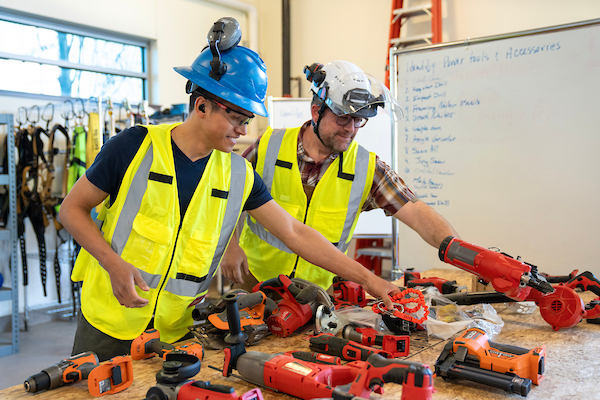
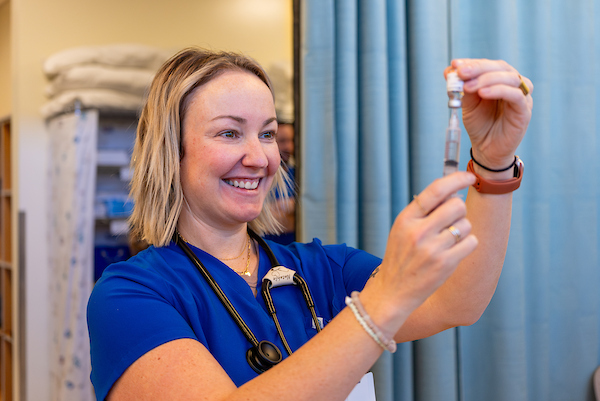
What starts in a COCC classroom doesn't stay there. Students become nurses, educators, skilled tradespeople, entrepreneurs and community leaders. They bring new skills to local employers, earn more throughout their careers and contribute to communities across our region.
A new independent economic impact study from Lightcast puts a number on that ripple effect.
The Ripple Effect
It starts with one student.
A student gains knowledge and skills. Those skills lead to greater career opportunities. Employers gain talented workers. Higher earnings and increased productivity circulate throughout the economy.
- Student
- Career
- Workforce
- Business
- Community
One person's opportunity creates community impact.
The Student Impact
An education that keeps paying off.
The economic impact of COCC begins with something much more personal: an individual deciding to invest in their future.
Greater earning potential can mean more than a bigger paycheck. It can mean greater financial stability, more choices and new possibilities for students and their families.
And when thousands of former COCC students put those skills to work throughout Central Oregon, those individual gains become something much bigger.


The average COCC associate degree graduate earns approximately $9,000 more annually than someone whose highest level of education is a high school diploma.
in higher future earnings for every $1 students invest in their COCC education.
estimated annual rate of return on a student's educational investment.






The Alumni Impact
The impact doesn't end at graduation.
$257.8 million
in annual economic impact generated by COCC alumni.
Former COCC students are working throughout Central Oregon—bringing their education, skills and experience to the businesses and organizations that keep our region moving.
Lightcast estimates that the added earnings and increased business productivity associated with COCC alumni generate $257.8 million in added regional income each year.
That's the largest component of COCC's total economic impact.
COCC helps build the people who build Central Oregon.
The Regional Impact
$349.2 million reaches a lot further than campus.
COCC's economic impact flows throughout the region—from the College's operations and student spending to the much larger, long-term contribution of alumni working here.
Together, those activities add approximately $349.2 million in income to the regional economy each year, an impact equivalent to approximately 2% of the region's economy.
Annual regional economic impact
Jobs supported
Regional jobs supported by COCC's economic activity
Annual impact breakdown
- Alumni impact
- $257.8M
- Operations spending impact
- $63.5M
- Student spending impact
- $27.9M

The Community Return
The return belongs to all of us.
The benefits of education extend beyond students and employers. Higher earnings and productivity generate additional tax revenue, while education is also associated with reduced demand for certain publicly funded services. Lightcast examined those benefits from both a taxpayer and broader societal perspective.

For every $1 of public money invested in COCC, taxpayers receive approximately $2 in return through increased tax revenues and public-sector savings.
For every $1 invested in COCC, society receives approximately $5.90 in benefits through increased earnings, economic activity and social savings.
Investing in COCC is investing in Central Oregon.
Putting It All Together
One student's opportunity becomes everyone's opportunity.
A student comes to COCC to build a better future. They gain skills. They enter or advance in the workforce. Their employer benefits. Their increased earnings circulate through local businesses and communities. Tax revenues grow. The region becomes stronger.
Multiply that story across thousands of students and alumni, and the result is clear:
A stronger COCC means a stronger Central Oregon.
Explore the Data
Dig deeper.
The findings come from an independent economic impact analysis conducted by Lightcast using FY 2023–24 data. Explore the findings, methodology and more in the full report (PDF).